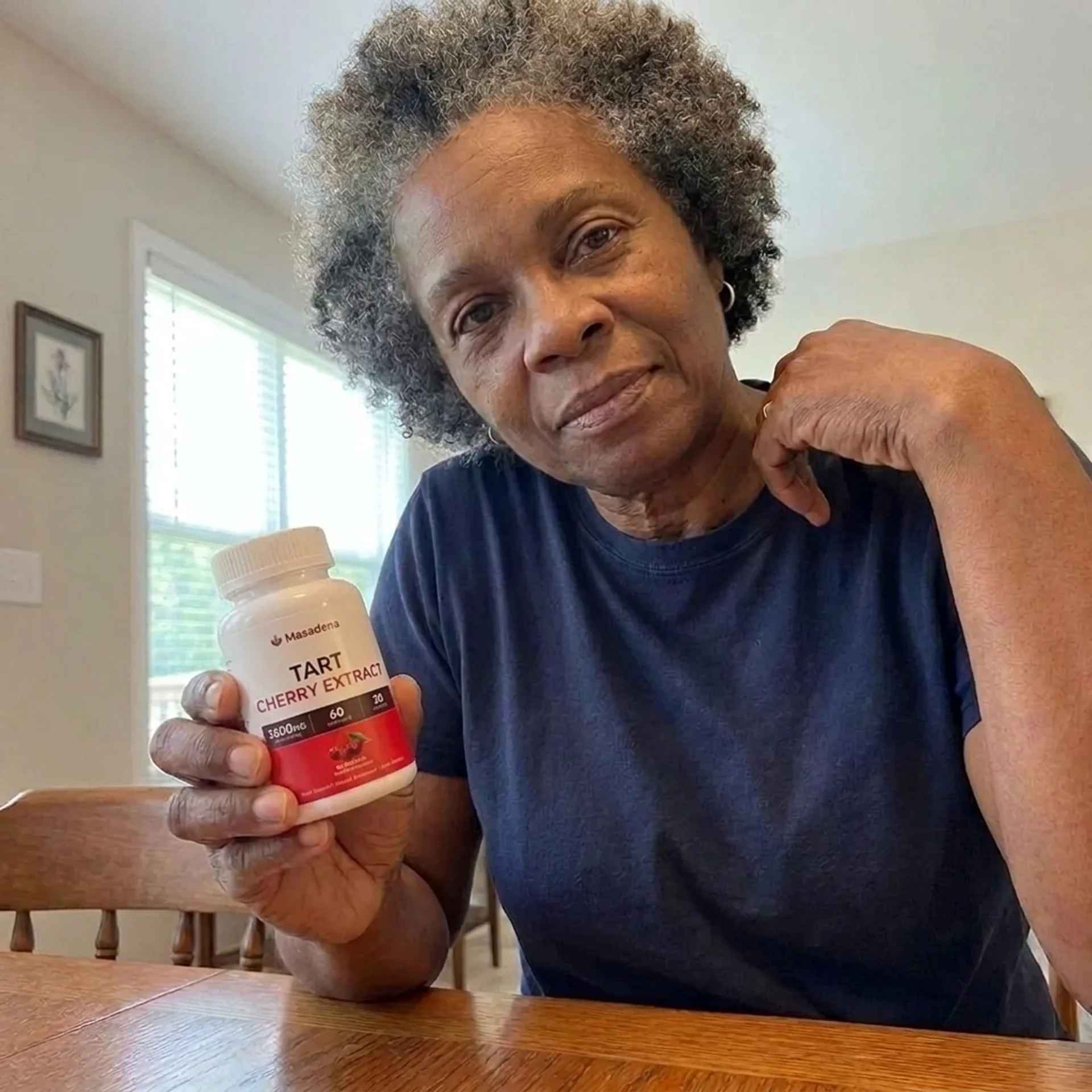
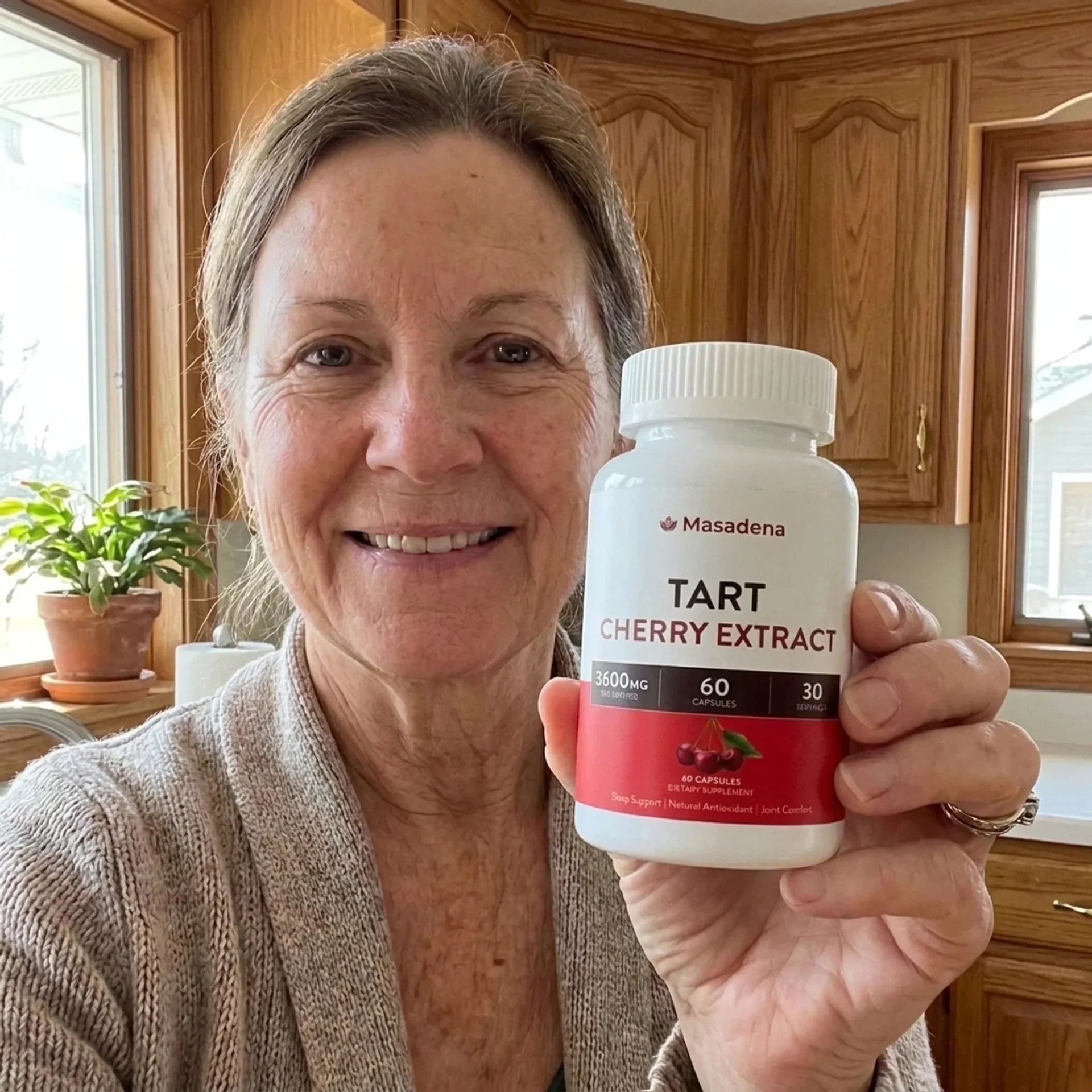
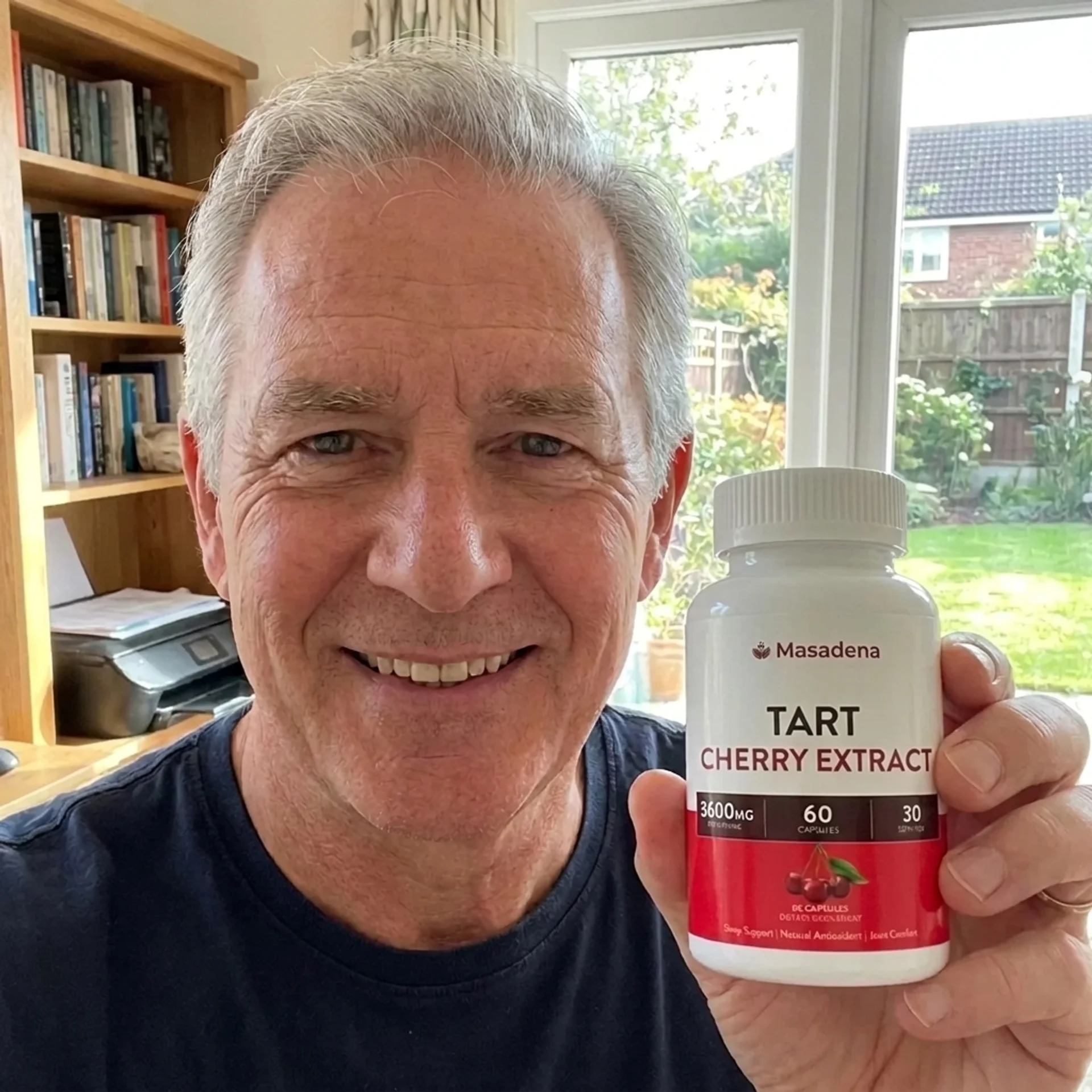
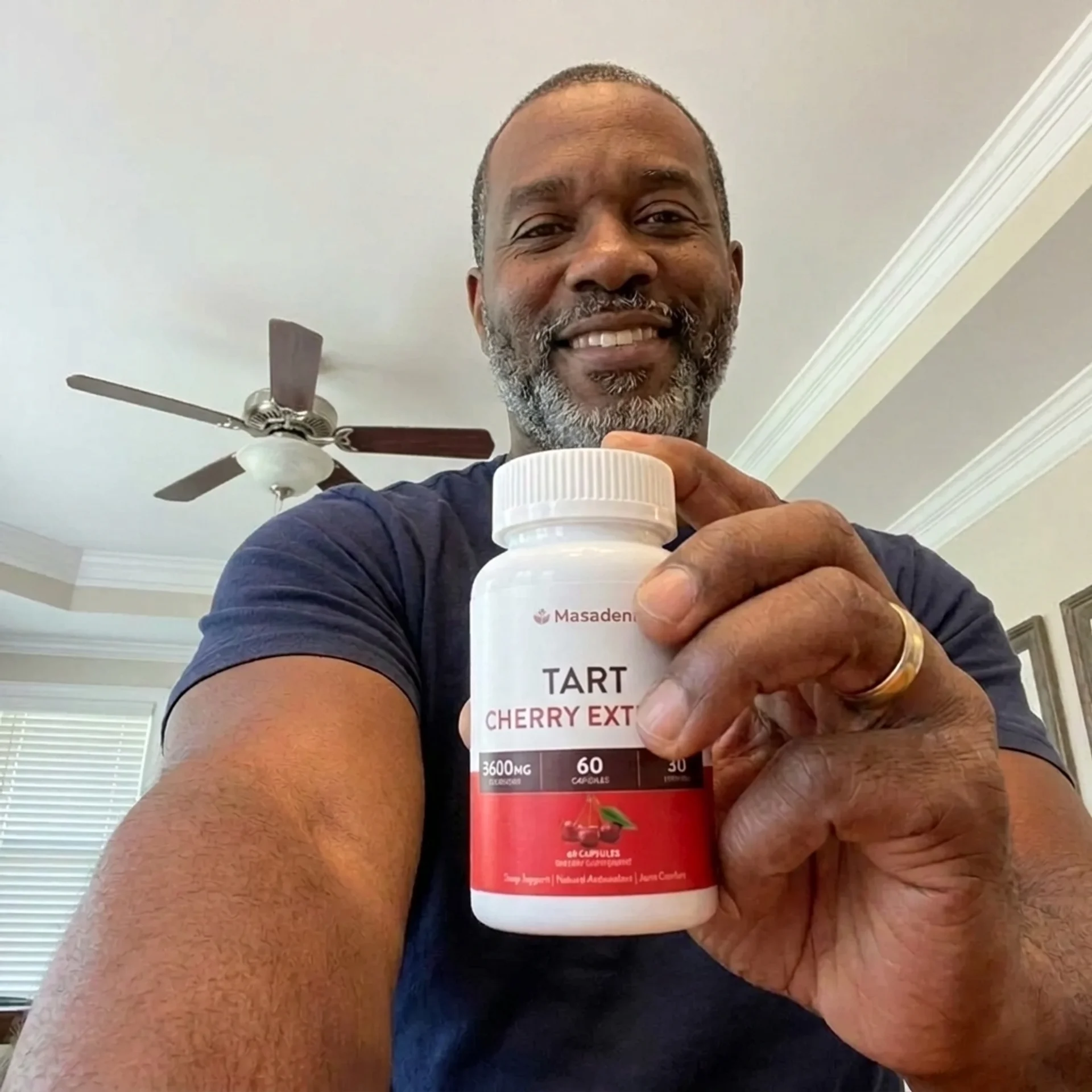
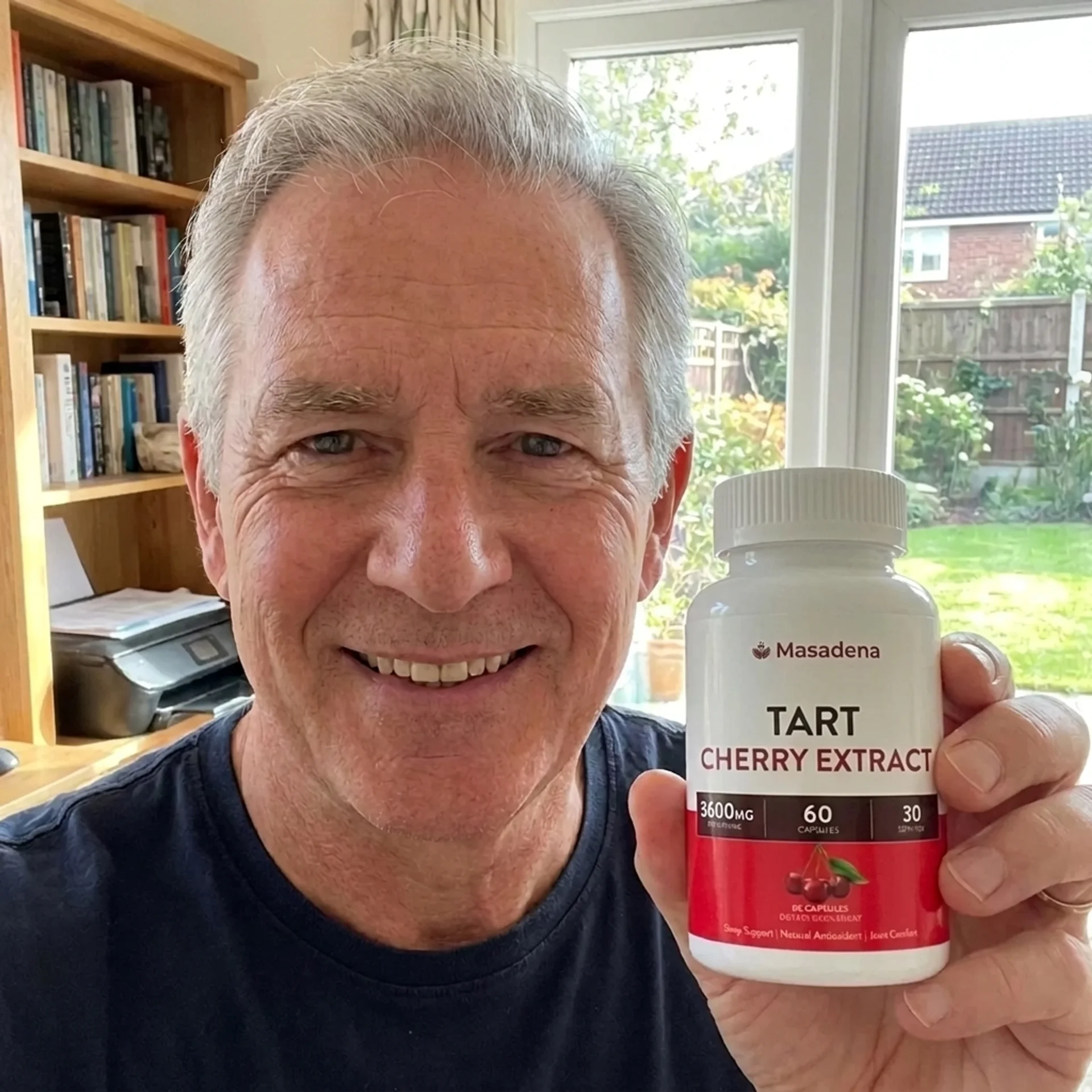
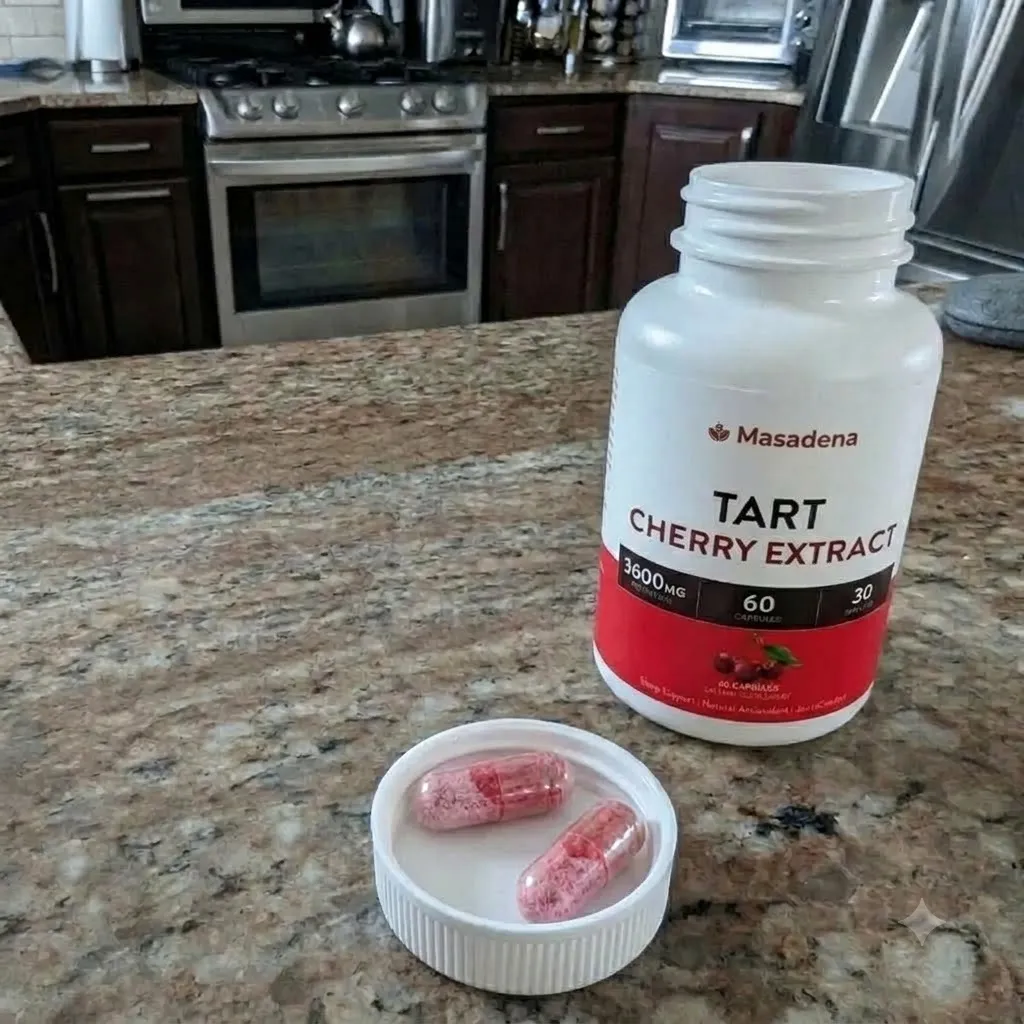
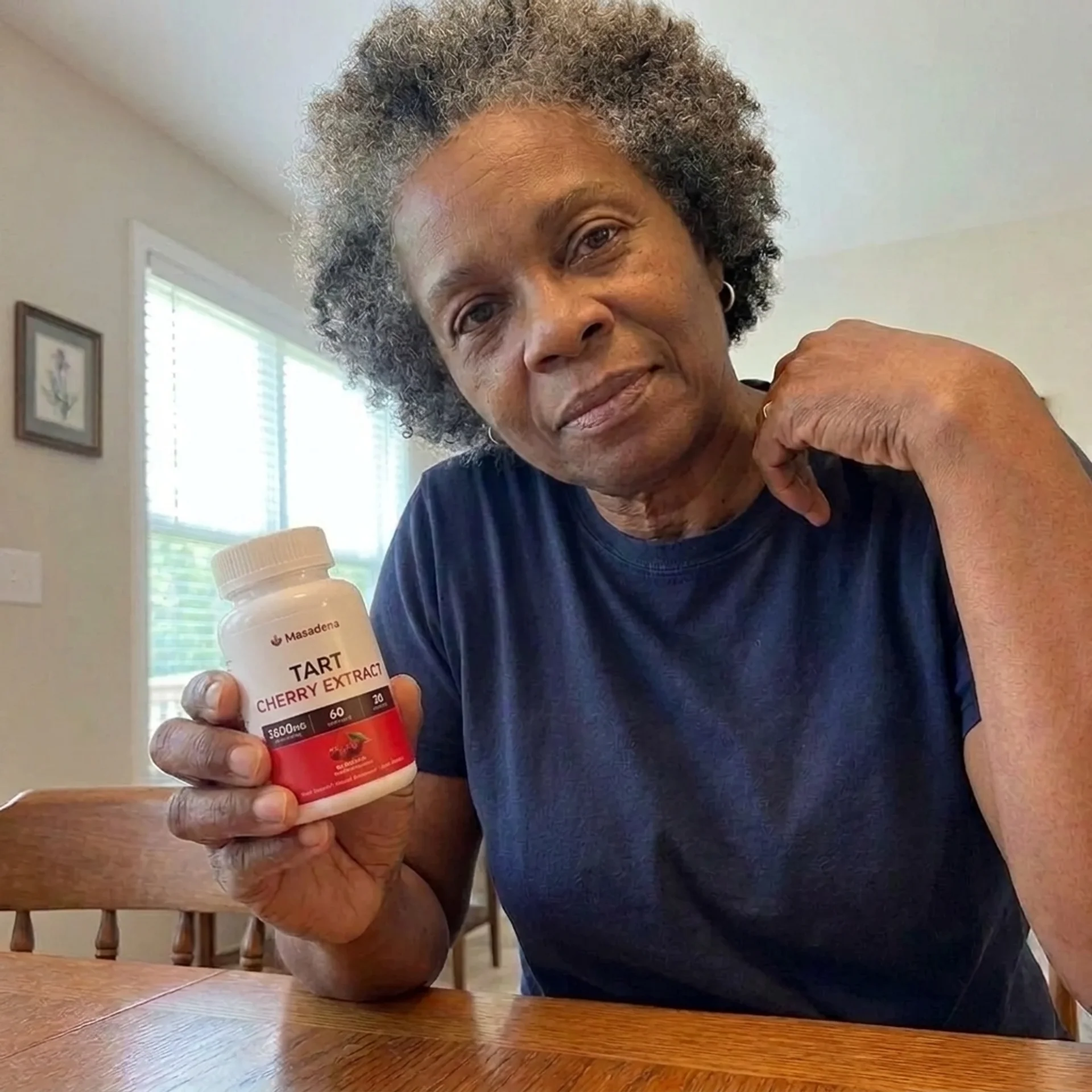
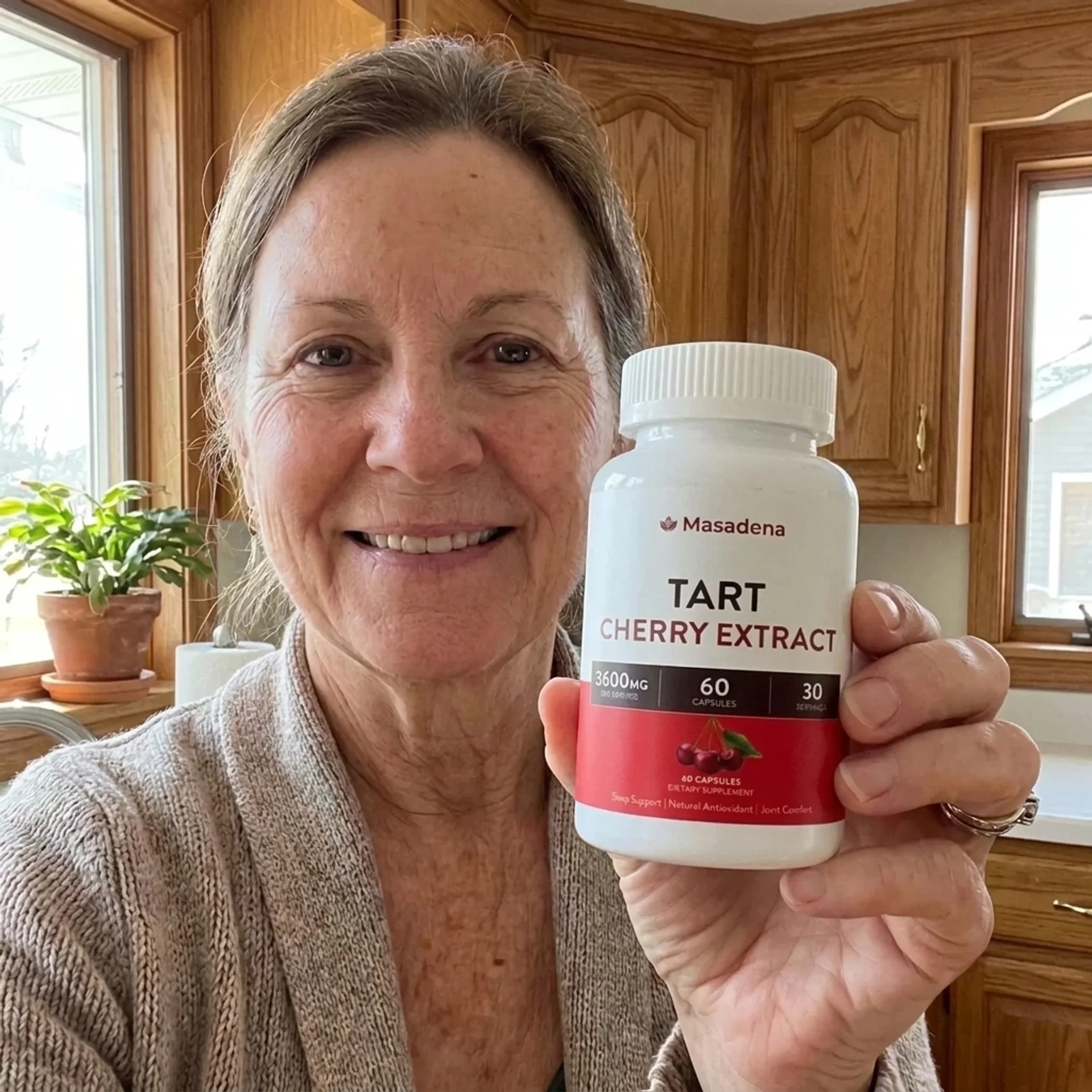
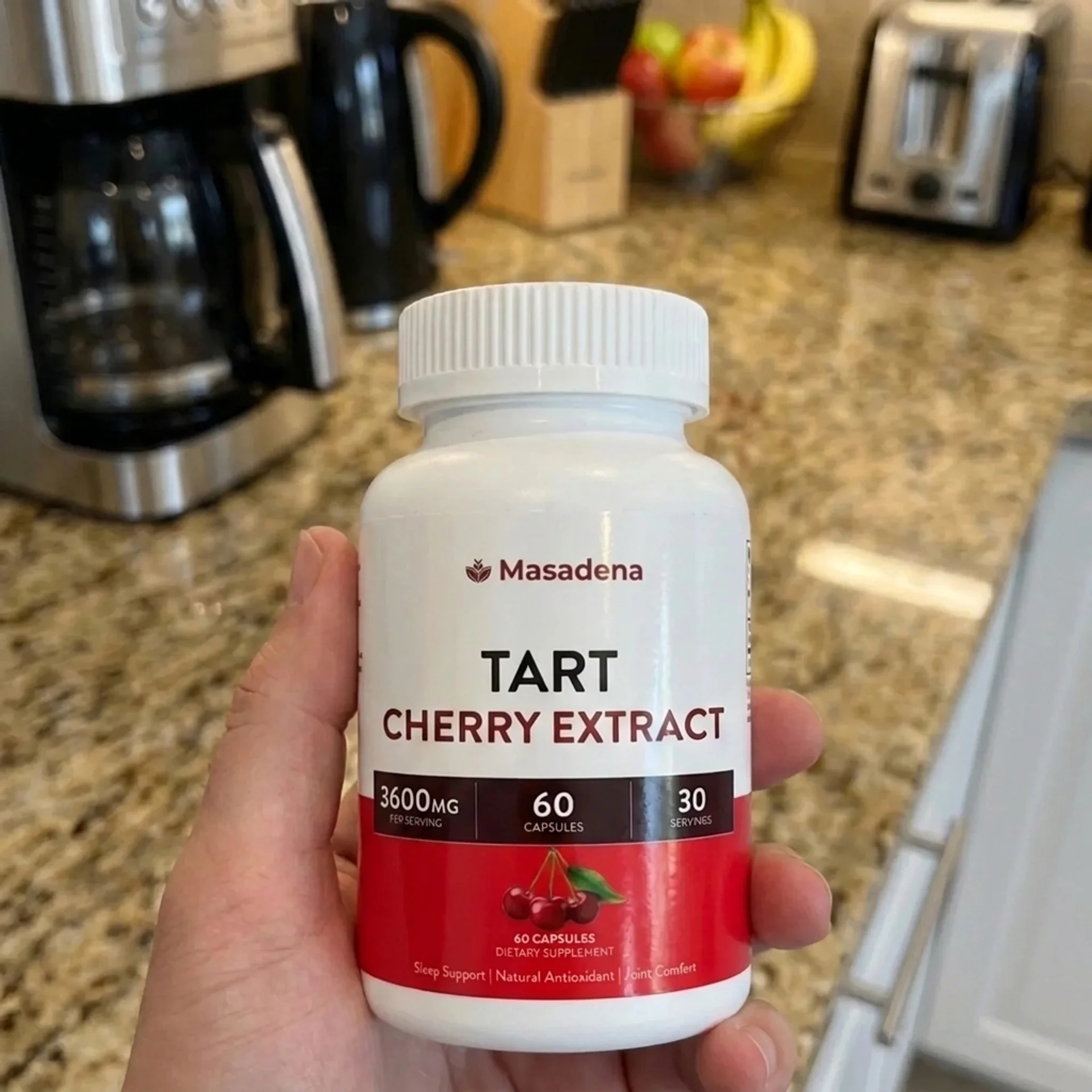
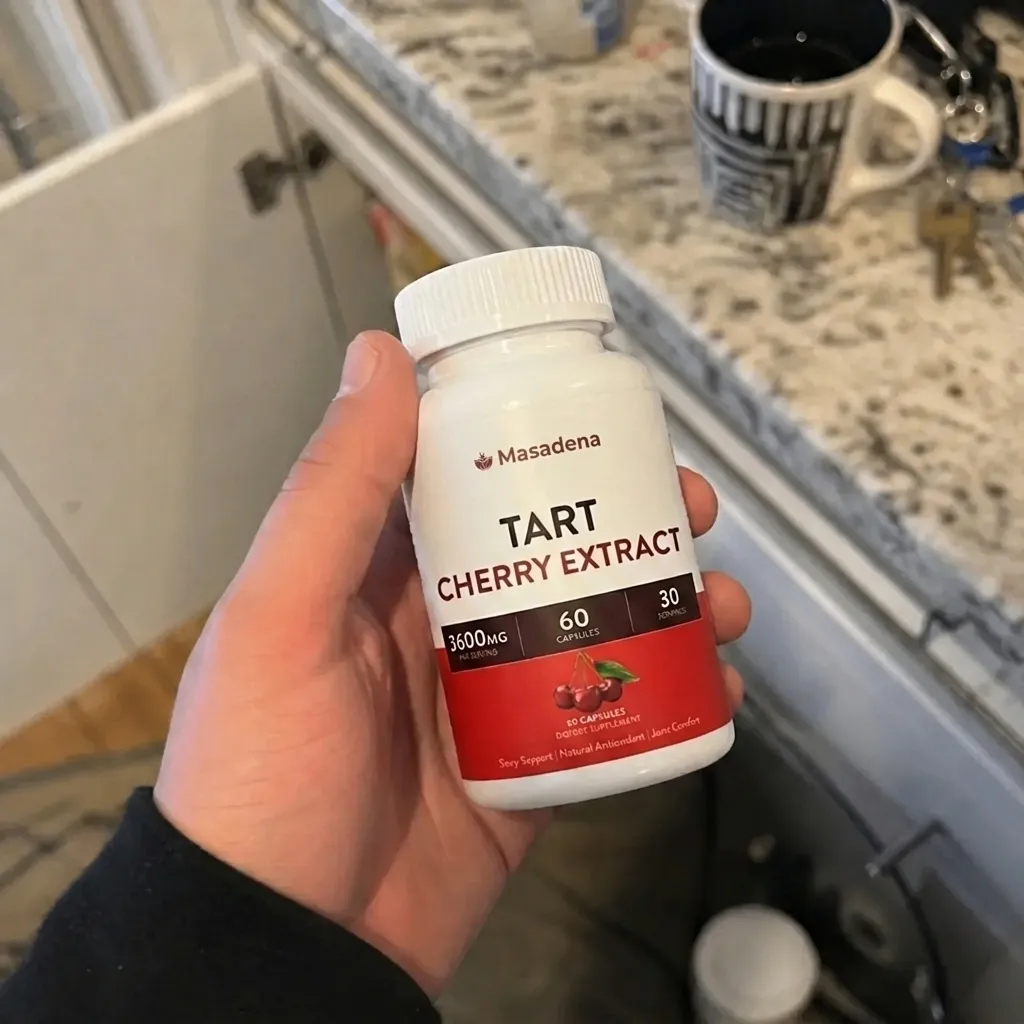
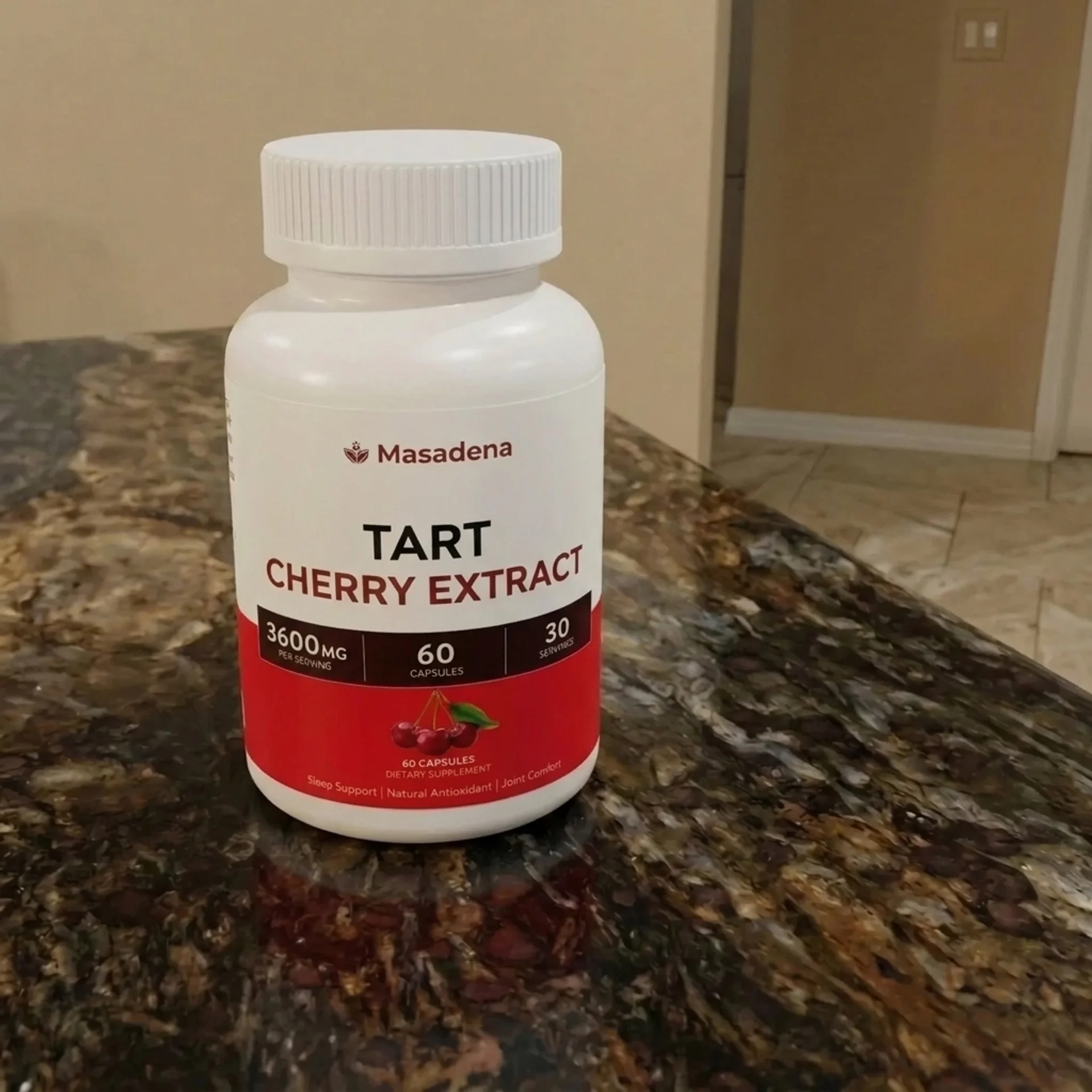
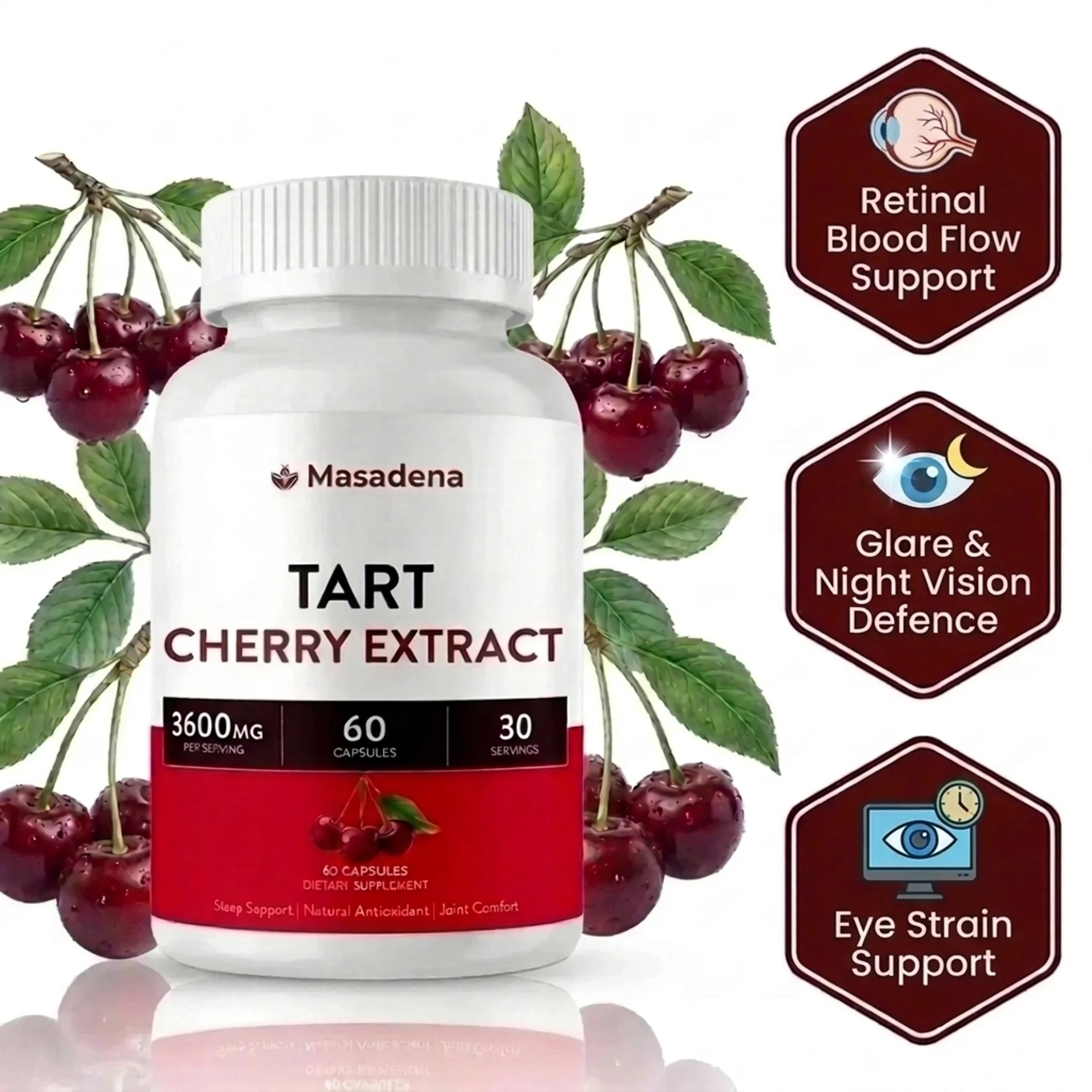
Tart cherry — specifically the
Montmorency variety — has been the
subject of over 50 published studies
examining its effects on joint
health, uric acid metabolism, sleep
quality, cardiovascular function,
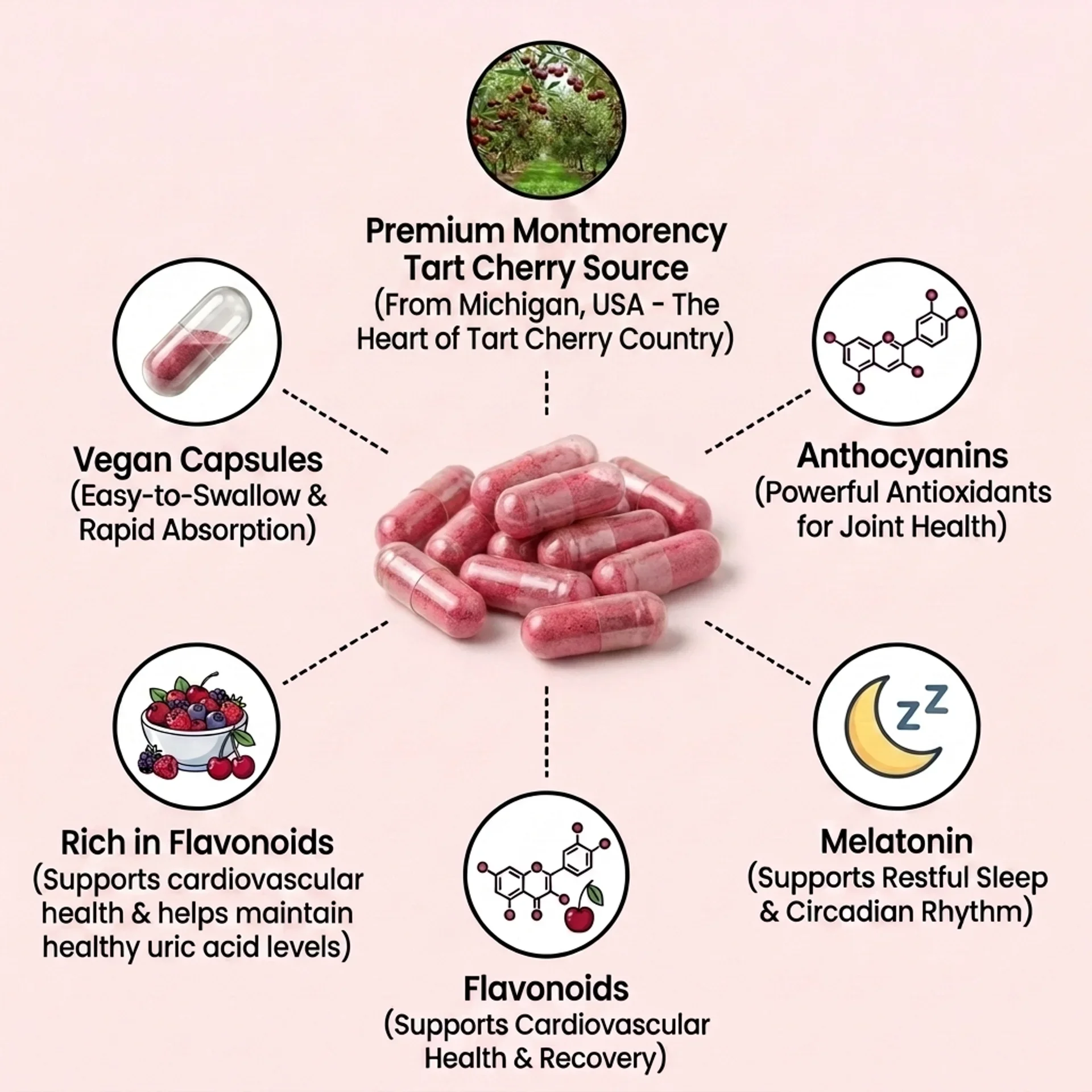
and exercise recovery. The active
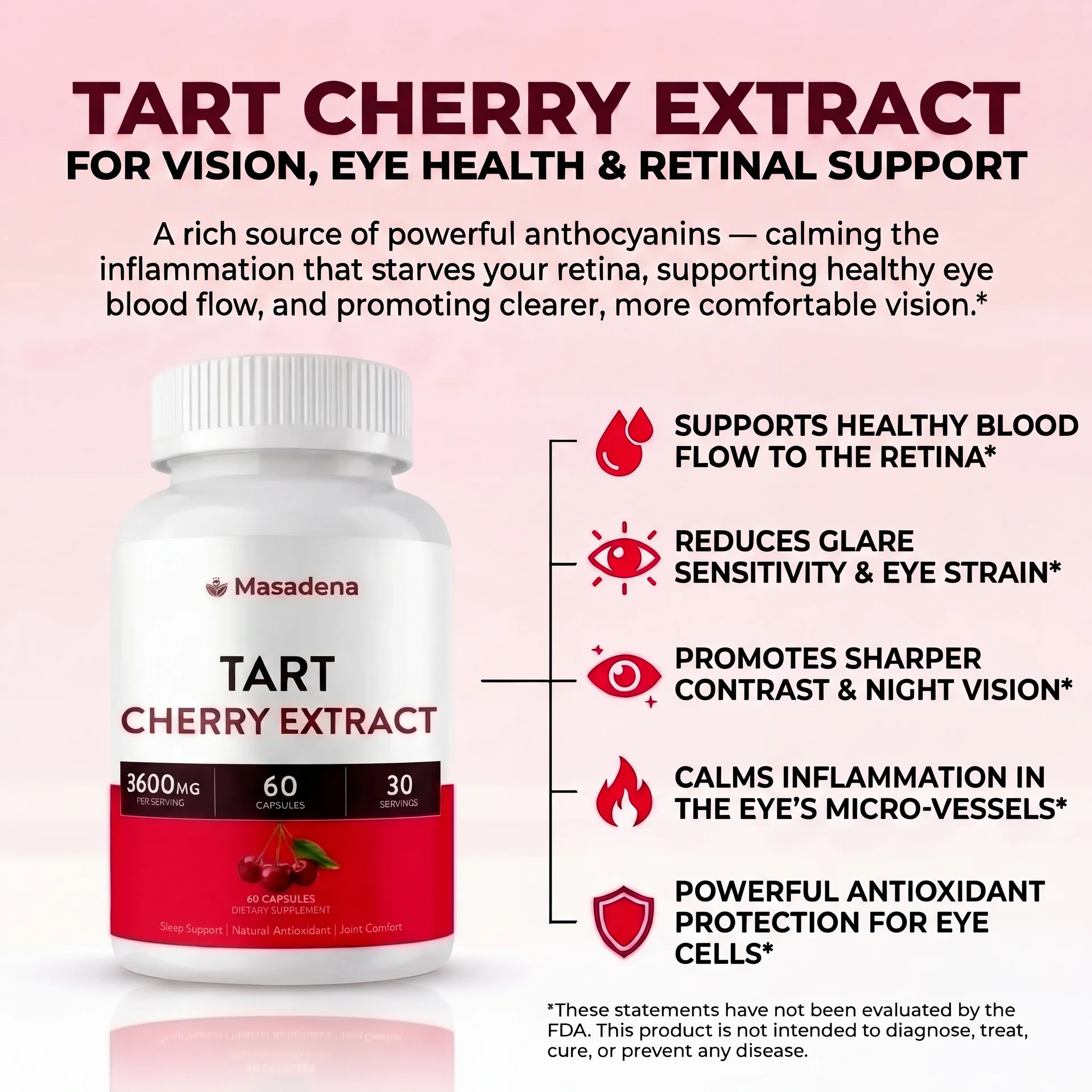
compounds are anthocyanins and
polyphenols, which support your
body's natural inflammatory response
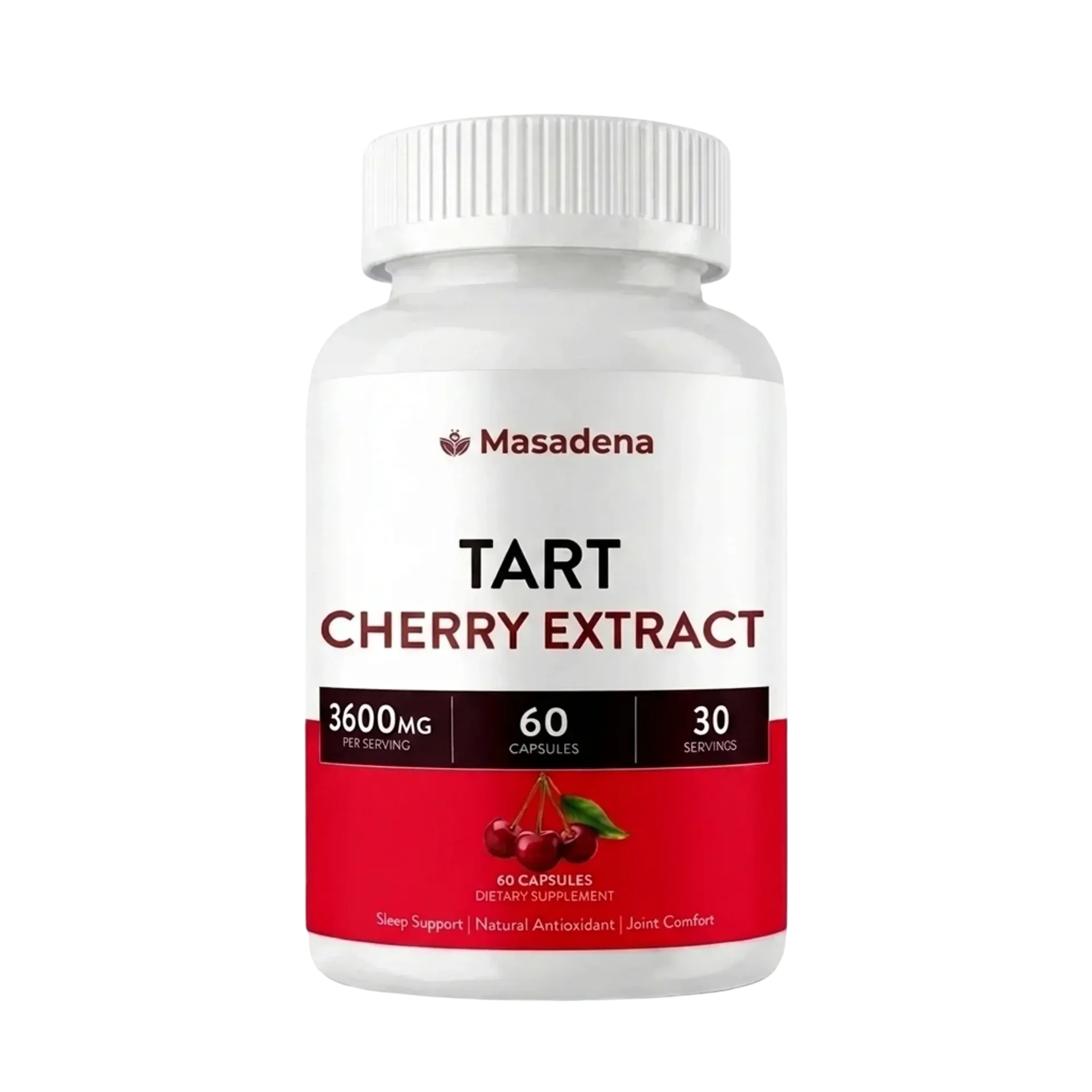
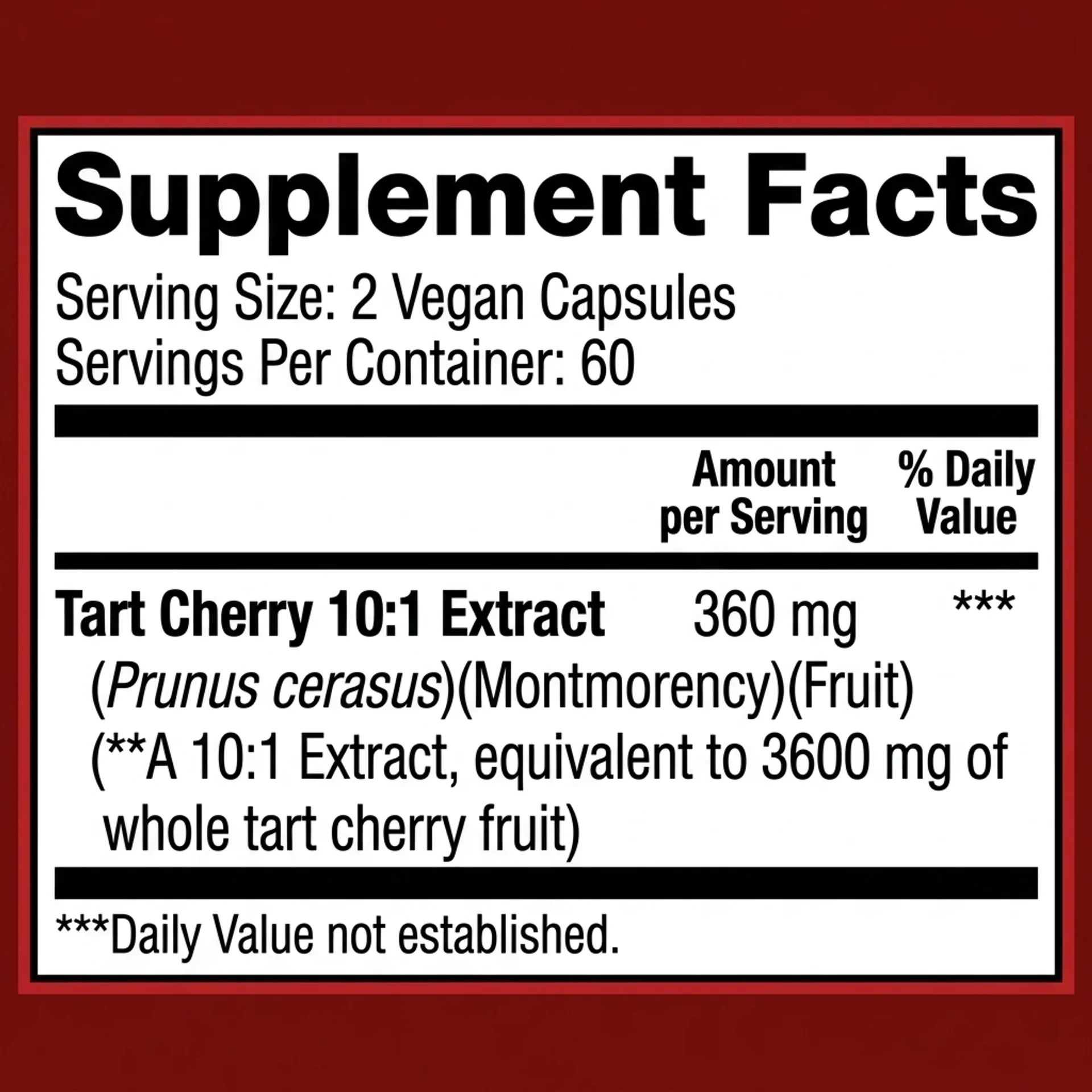
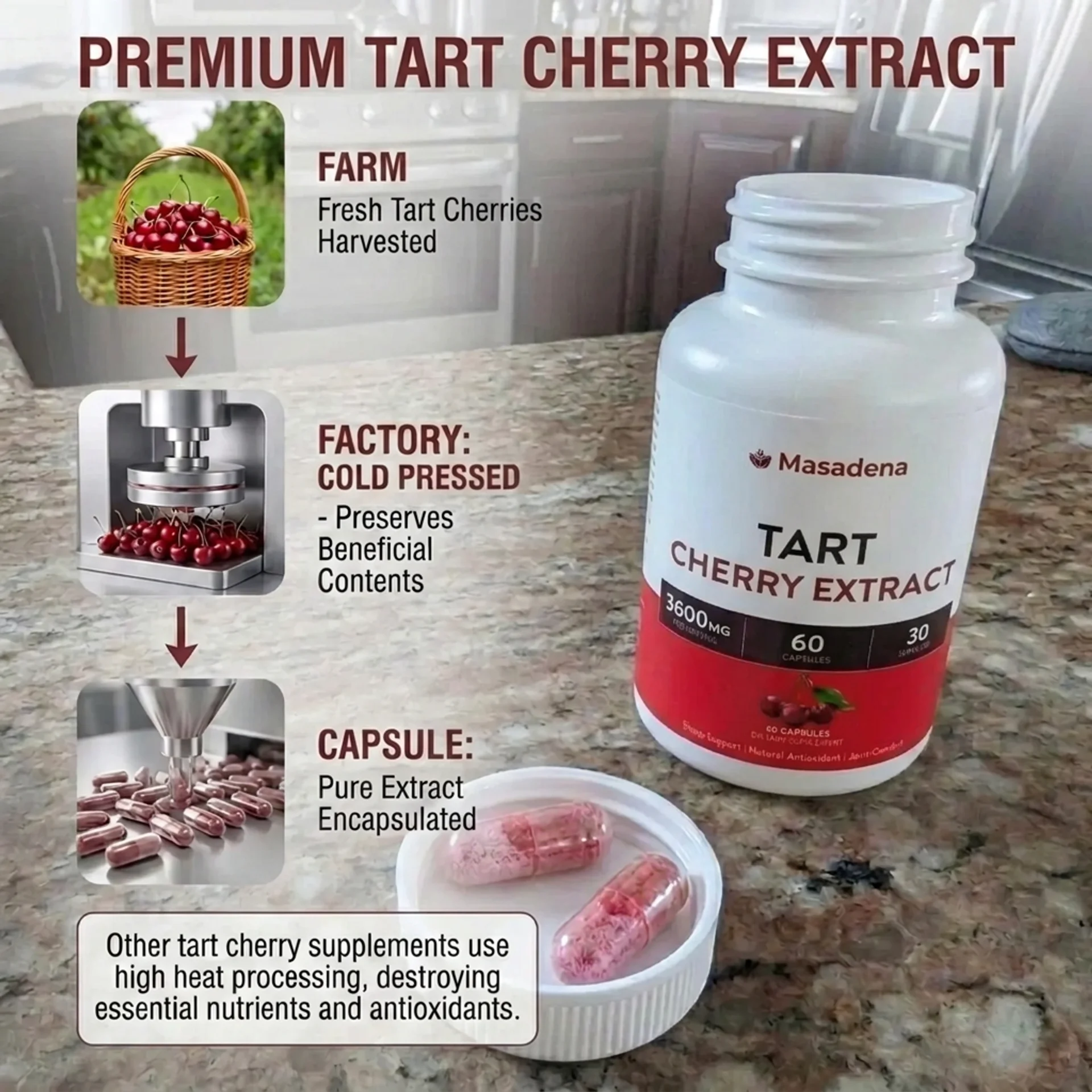
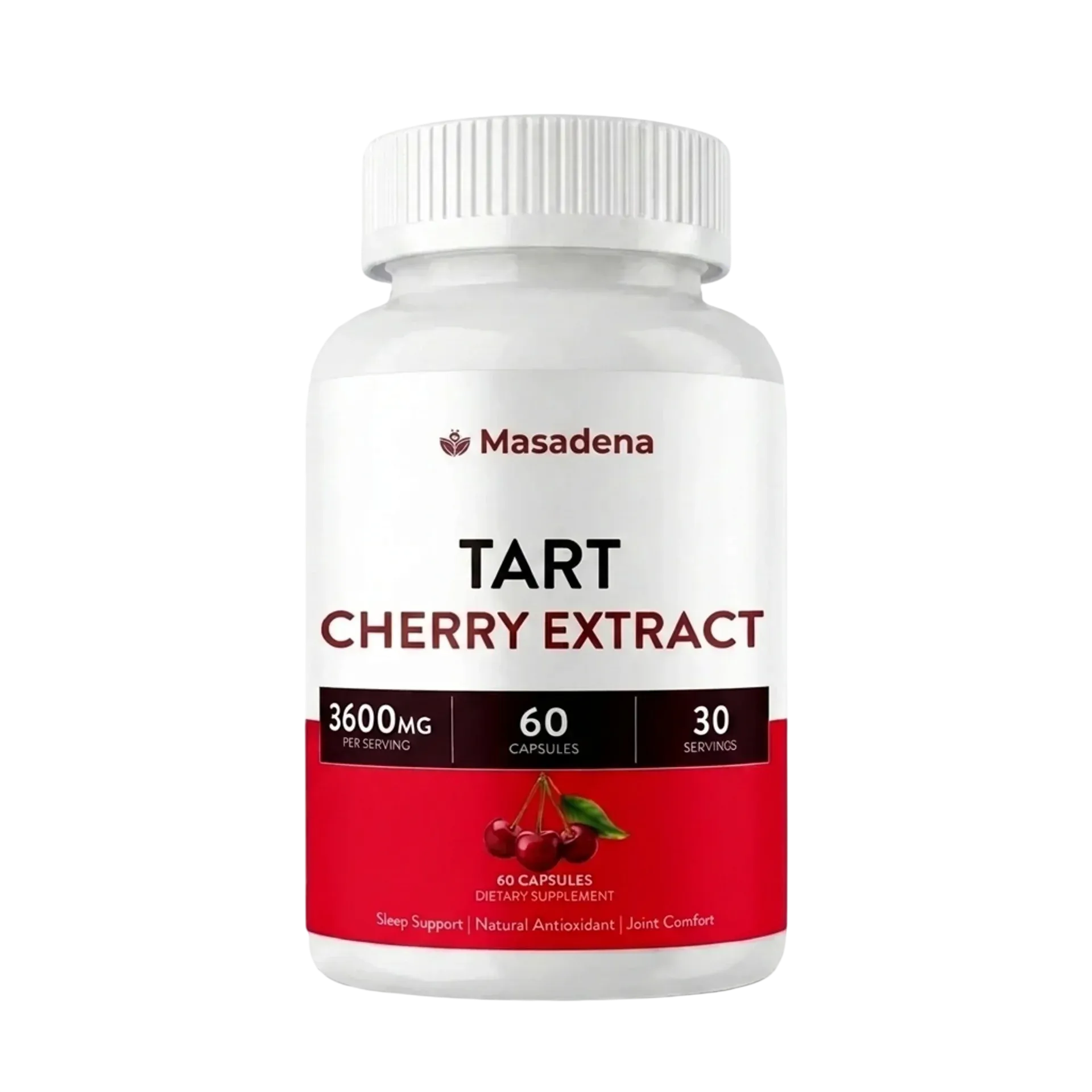
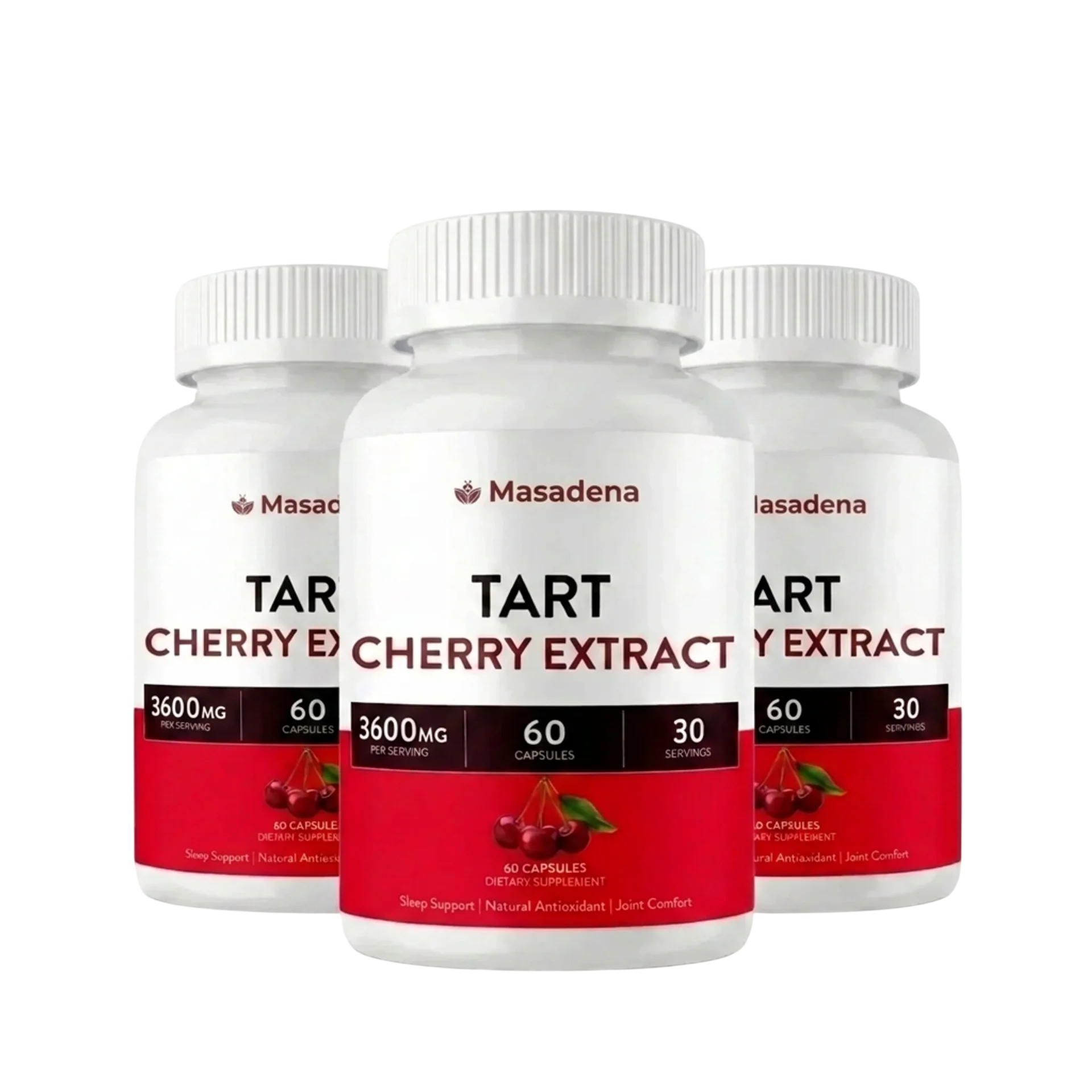
and antioxidant defenses. Masadena
delivers these compounds in
cold-processed form at the full
3,600mg clinical dose used in
research
Here are some of the key published
studies:
Uric Acid & Gout Support
Zhang et al. (2012) — Cherry intake
was associated with a 35% lower risk
of recurrent gout attacks in 633
individuals with gout. Combined with
allopurinol, risk dropped 75%.
https://pubmed.ncbi.nlm.nih.gov/23023818/
Martin & Coles (2019) — 100%
tart cherry juice significantly
reduced serum urate concentrations
in overweight and obese adults over
a 4-week crossover trial.
https://pubmed.ncbi.nlm.nih.gov/31037275/
Joint Comfort & Inflammation
Schumacher et al. (2013) — In a
randomized, double-blind crossover
trial, 58 patients with knee
osteoarthritis showed significant
improvement in WOMAC pain and
function scores during tart cherry
juice treatment. CRP levels declined
significantly vs. placebo, and that
decline correlated with symptom
improvement.
https://pubmed.ncbi.nlm.nih.gov/23727631/
Kelley et al. (2006) — 28 days of
cherry consumption reduced
circulating C-reactive protein by
25% in healthy men and women,
suggesting a selective
anti-inflammatory effect.
https://pubmed.ncbi.nlm.nih.gov/16549461/
Kelley et al. (2013) — Cherry
supplementation for 28 days
significantly lowered 9 of 89
inflammatory biomarkers tested —
including CRP (−20%), endothelin-1
(−14%), and IL-18 (−8%) — in adults
with modestly elevated CRP.
https://pubmed.ncbi.nlm.nih.gov/23343675/
Sleep Quality
Howatson et al. (2012) — 7 days of
tart cherry intake significantly
elevated melatonin levels and
improved total sleep time and sleep
efficiency in a randomized,
double-blind, placebo-controlled
crossover trial.
https://pubmed.ncbi.nlm.nih.gov/22038497/
Pigeon et al. (2010) — Tart cherry
intake produced significant
improvements in insomnia severity in
older adults with chronic insomnia
in a randomized, double-blind,
crossover design.
https://pubmed.ncbi.nlm.nih.gov/20438325/
Barforoush et al. (2025) —
Systematic review of 7
interventional studies found
significant improvements in sleep
duration, sleep efficiency, and
melatonin levels with tart cherry
consumption.
https://pubmed.ncbi.nlm.nih.gov/40964149/
Cardiovascular Health
Chai et al. (2018) — 12 weeks of
daily tart cherry intake
significantly reduced systolic blood
pressure and LDL cholesterol in
adults aged 65–80 in a randomized
controlled trial.
https://pubmed.ncbi.nlm.nih.gov/29862410/
Chai et al. (2019) — Follow-up study
attributed the BP and LDL-lowering
effects to reductions in CRP and
oxidative stress markers, including
malondialdehyde.
https://pubmed.ncbi.nlm.nih.gov/30678193/
Exercise Recovery
Howatson et al. (2010) — Marathon
runners consuming tart cherries
recovered isometric strength
significantly faster and showed
reduced inflammation markers (IL-6,
CRP) vs. placebo.
https://pubmed.ncbi.nlm.nih.gov/19883392/
Bowtell et al. (2011) — Montmorency
cherry reduced muscle damage markers
following intensive strength
exercise in a randomized trial.
https://pubmed.ncbi.nlm.nih.gov/21233776/
Kuehl et al. (2010) — Runners
consuming tart cherry reported
significantly less pain increase
during and after a long-distance
relay compared to placebo.
https://pubmed.ncbi.nlm.nih.gov/20459662/











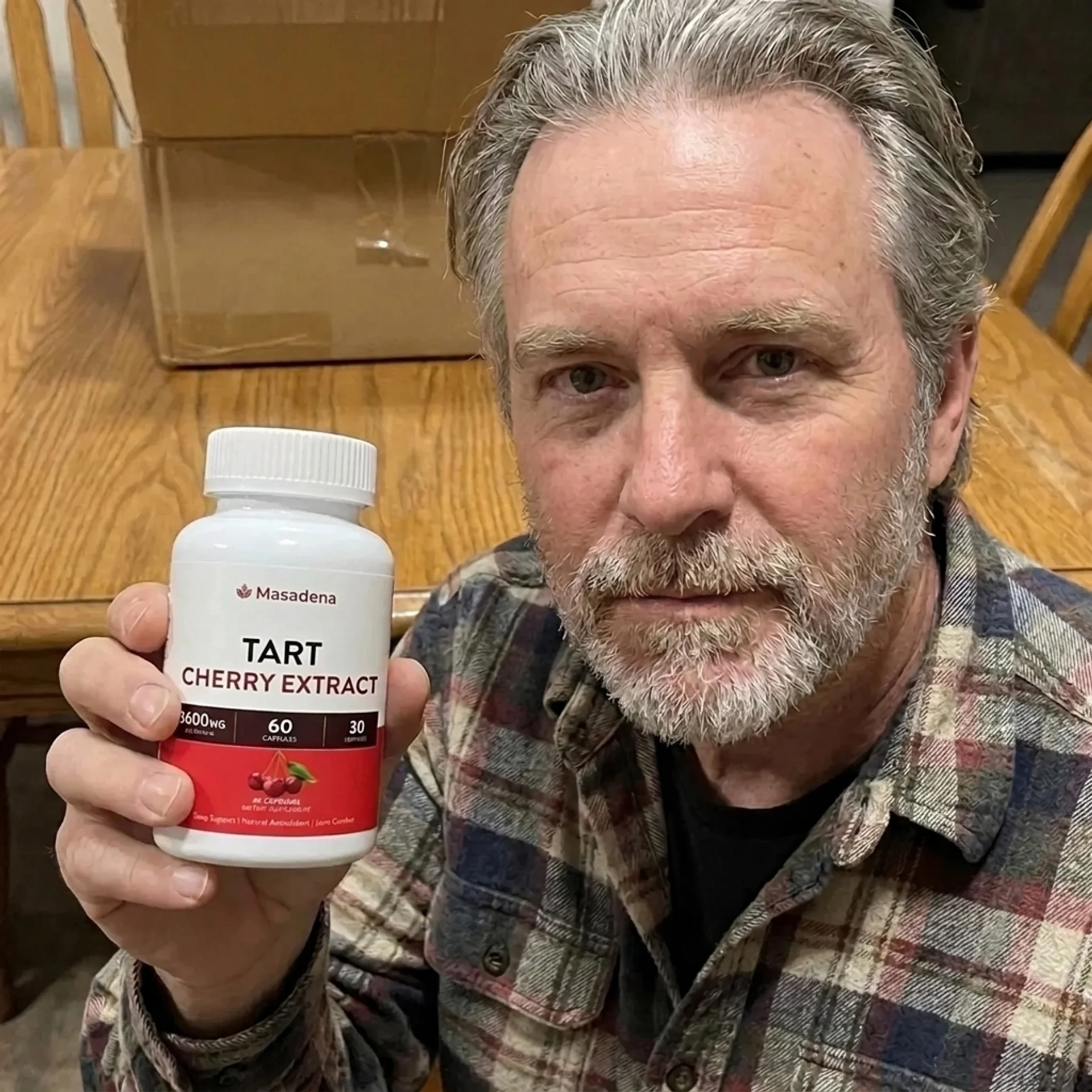
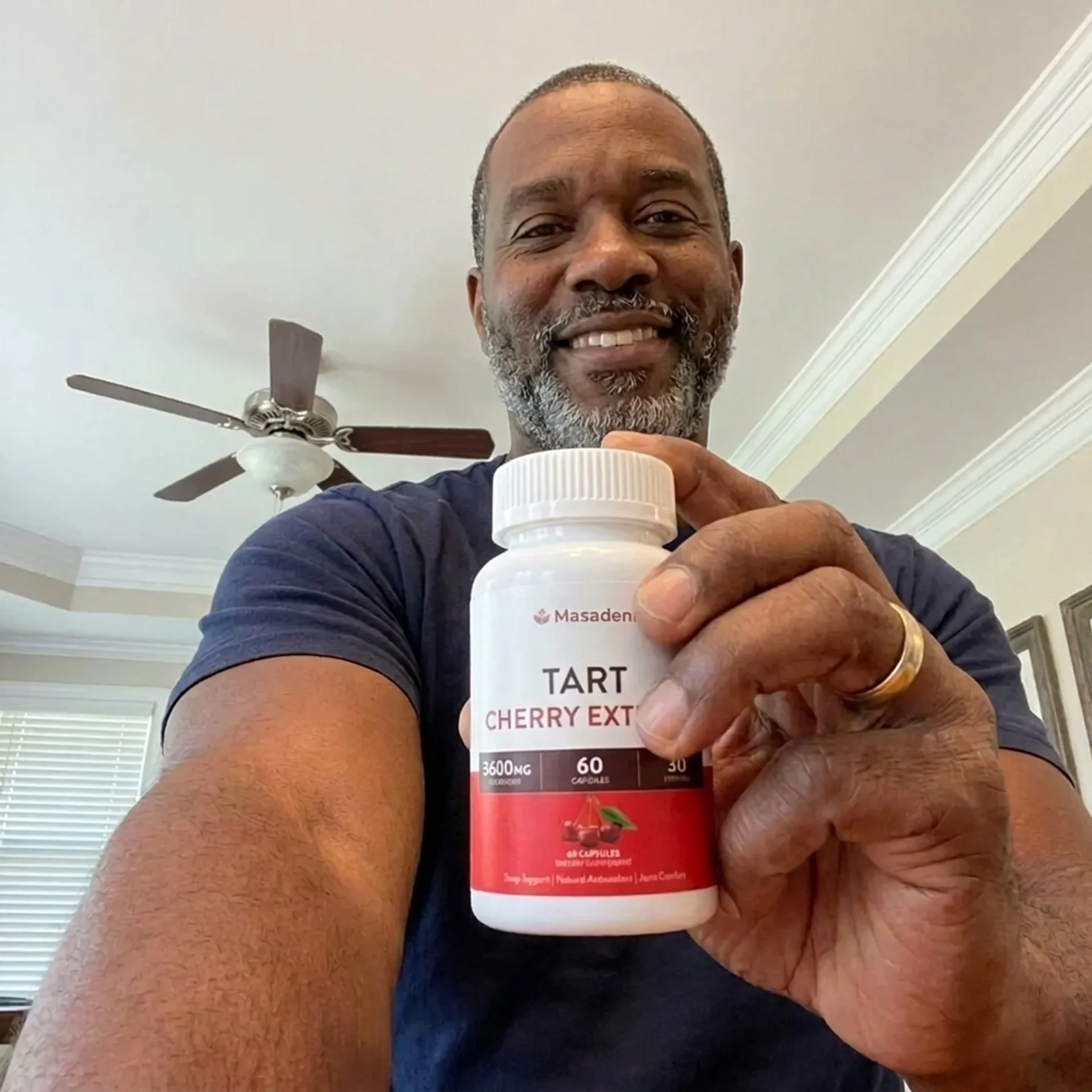

 Verified Buyer